
Adrian Stelmach
[ENG] Evolving CMS Architecture in the Age of AI: How to Avoid Locking Yourself In for the Next 5 Years
explitia Chief Executive Officer, President, Owner
More About Speakerexplitia Chief Executive Officer, President, Owner
Meet the experts taking the stage at CMS Conf 2026 in Gdynia. Practitioners, architects, and strategists sharing real experience from the field.
[ENG] Evolving CMS Architecture in the Age of AI: How to Avoid Locking Yourself In for the Next 5 Years
explitia Chief Executive Officer, President, Owner
More About Speakerexplitia Chief Executive Officer, President, Owner
Bio
Adrian Stelmach is the Founder & CEO of explitia.com, specializing in digital transformation for production. With a background in programming and a deep understanding of manufacturing processes, he focuses on developing software to reduce operational costs, optimize work, strengthen security, and improve production quality. Adrian guides clients through the digital transformation process, offering consulting, training, and assistance in streamlining business processes.
Talk Description
Content Management Systems are long-term architectural decisions, while AI evolves at high speed. This mismatch creates a real challenge for modern content platforms: how to integrate AI without locking the system into today’s assumptions. In this talk, Adrian Stelmach from explitia.com explores how AI should be positioned within CMS ecosystems as a replaceable architectural layer, not a built-in feature. The focus is on system design, clear boundaries between CMS, integrations, and AI services, and architectural decisions that allow content systems to evolve over time. The presentation is based on real-world CMS projects and discusses practical patterns and anti-patterns for AI-driven enrichment, search, and personalization—without vendor hype.
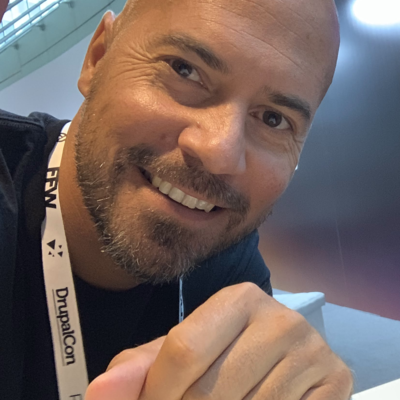
[ENG] Bursting the Bubble: Why Code Alone Won’t Save the Open Web
Director At Large @ Drupal Association / Technical Partner Manager @ Pantheon.io
More About SpeakerDirector At Large @ Drupal Association / Technical Partner Manager @ Pantheon.io
Bio
Alejandro Moreno Lopez is a software engineer/architect who has worked in different roles, from pure development, to leading small and medium teams, to co-founding three different companies with different partners in technology, content management, marketing online and tourism. He's also been lucky enough to work and lead some of the biggest enterprise projects in Drupal like Royal Mail, Parcelforce, and BBC.
Talk Description
We built it. We optimized it. We secured it. But outside of our issue queues and Slack channels, does the wider tech world know—or care? For years, the Drupal community has suffered from a "build it and they will come" mentality. We have created one of the most robust platforms on the web, yet we often find ourselves preaching to the converted in a comfortable, self-referential bubble. In this session, I will share the uncomfortable reality of taking the Drupal Association to Web Summit Lisbon—a massive, generalist tech event where "Drupal" was just another booth in a sea of startups. I will share the messy details of what happens when you step out of the "Drupal Island" and face the market head-on. But this is not a talk about marketing; it is a talk about survival. And it is not a talk about Drupal. It’s about open source. As developers, we have a responsibility that goes beyond code quality. We need to confront the "Tragedy of the Commons" that threatens open source projects: everyone relies on the ecosystem, but few invest in its external visibility. I will explore how our technical decisions—from DX to API design—either reinforce our isolation or help us burst the bubble. Following keynote deliveries at DrupalCamp France and Drupal Iberia, and being featured at Drupalcamp England and invited to Drupalcamp Finland, I am bringing this mission to CMSConf. This session is a strategic roadmap for how we, as a community, can export our excellence. and reach outside our comfort zones.
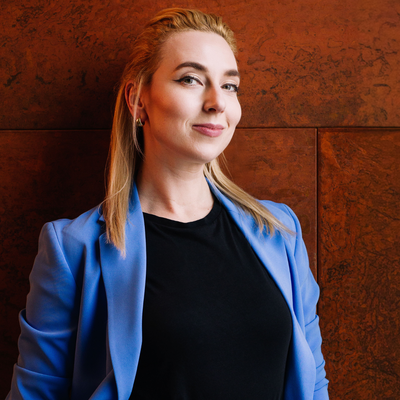
[ENG] Debugging Team Communication: The "6 APIs" Framework for Tech Leaders
Founder @LemanSkills | Speaker | Podcast Host | Tech Leadership Mentor & Facilitator
More About SpeakerFounder @LemanSkills | Speaker | Podcast Host | Tech Leadership Mentor & Facilitator
Bio
Aleksandra Lemańska is a CQ Leadership Mentor, Speaker, and Founder of LemanSkills. She is the creator of the CQ Leadership Method—a battle-tested framework that helps tech leaders communicate with precision and lead without burnout. As a Certified Process Communication Model® (PCM) Practitioner and host of the Leman Tech Leadership Podcast, Aleksandra has trained hundreds of leaders across technology organizations worldwide. She is also a Co-Founder of Startup Community Poznan.
Talk Description
A lot of great Tech Leaders are great with architecture, but struggle with "human problems". Especially on the edge of tech and business (i.e., when implementing CMS systems for non-technical clients). This keynote reveals why this is happening and provides a single, battle-tested framework to diagnose and prevent team miscommunication. Instead of generic advice on empathy (sic!), I'll give you the framework based on Process Communication Model® (PCM®), and 10+ years of my work with tech leaders & their teams. You will discover how to diagnose the real root causes of the people-related issues, and how to build a bridge between analytical devs and action-oriented managers and clients.
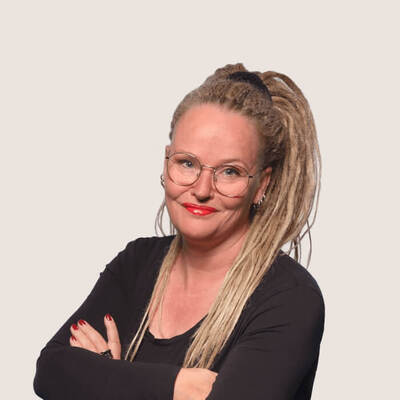
[ENG] Beyond the mouse: Practical CMS Accessibility for developers and UI designers
[ENG] One Skill. Serious Market Value. Why Accessible CMS Backends Are Your Next Differentiator.
Digital Accessibility Strategist · Because "we'll fix it later" always costs more
More About SpeakerDigital Accessibility Strategist · Because "we'll fix it later" always costs more
Bio
Anne-Mieke is an accessibility strategist who knows empathy matters, but nothing motivates a business owner like quietly losing revenue or drowning in support costs. After years of fixing broken websites, she now mentors software companies, agencies, and e-commerce teams to build for everyone, backed by real data. On stage or with a dev team, her focus is the same: turning technical requirements into measurable business growth, because accessibility is simply smart business.
Workshop Description
CMS backends bring together navigation, forms, dialogs, notifications, and editorial controls in workflows that people use every day. A problem in one interaction can make the entire task confusing or impossible, while the source of that problem may be difficult to recognize from the visual interface alone. In this hands-on workshop, developers and UI designers will test realistic editorial tasks with a keyboard and will additionally get a practical introduction to testing with voice control and a screen reader. We will follow complete workflows, from navigating the backend and editing content to handling errors and publishing a page. What happens during those tasks will help us trace accessibility issues back to the design, HTML, ARIA, and interactive behavior. Developers will learn what to look for when they investigate what failed, recognize the likely cause in the code, apply an appropriate fix, and find reliable implementation guidance when the answer is less obvious. For UI designers, the workshop adds an accessibility perspective to decisions they already make about interaction states, focus behavior, contrast, navigation order, instructions, and feedback. This shared understanding improves the design and developer handoff. Expected behavior can be defined earlier, developers spend less time filling in the gaps, and potential accessibility issues are caught before they begin delaying development or testing. Attendees will leave with a practical checklist they can use during design reviews, development, testing, CMS configuration, and product selection, along with reliable sources for investigating and fixing the issues they find. The workshop is relevant to developers and UI designers working with any CMS. No previous accessibility specialization is required. Participants should bring a laptop. Bringing a test instance of a CMS they work with will make the exercises more relevant, but it is not required.
Talk Description
Most accessibility conversations stop at the frontend. The backend, the interface where content actually gets made, is almost never part of that conversation. That is a problem, and it is becoming a legal and financial one. In this session, Anne-Mieke Bovelett makes the case that an inaccessible CMS backend is not just bad UX. It is a barrier to employment, it causes high support costs, it's a compliance risk under disability employment law, …and it is a gap in the market that developers with the right skills can fill. The session uses a demo to show what happens when a content editor tries to do their job using only a keyboard, or with voice control. Not because those users are rare, but because they are more common than most developers assume. These are the same people who end up calling support when the interface breaks on them, and those support hours are not free. A CMS backend built with accessibility as a baseline means fewer mistakes during content entry, fewer support tickets, and less time spent explaining where things are or why something is not working. The return on that investment is measurable, and it lands directly on the client's bottom line. The session also covers disability employment law. Many countries legally require companies above a certain size to employ a set percentage of people with disabilities, or pay a financial levy instead. If a company is required by law to employ someone with a disability, and their internal tools are inaccessible, they cannot fulfil that obligation. The CMS backend is part of that picture. And then there is AI. A lot of people in the industry are quietly assuming that AI will eventually take care of accessibility, or replace the human doing content entry altogether. This session explains exactly why neither of those things is true, and why the demand for developers who understand accessible interface design is only going to grow.

[ENG] The Content Model Beneath the AI: How Structured Content Unlocks Real AI Workflows
CMO, Hygraph
More About SpeakerCMO, Hygraph
Bio
Anthony Poliseno is CMO at Hygraph, a leading headless CMS platform. He has spent his career at the intersection of content strategy and modern content infrastructure, with previous roles at Contentful, Uniform, and Magnolia. He works closely with marketing and content teams navigating the shift from traditional CMS platforms to composable, AI-ready content architecture.
Talk Description
Everyone is adding AI to their content stack. Few teams are getting results. The difference isn't the AI tool, it's what's underneath it. This talk explores why content structure is the hidden dependency in AI-powered workflows, and what marketing and content teams actually need to do before AI can deliver on its promise. Drawing on real work building AI-ready content infrastructure, you'll walk away with a practical framework for auditing your content model, understanding where headless and composable CMS architecture fits, and knowing what "AI-ready content" actually means in practice. No hype, no demos. Just the lessons learned from teams trying to make AI work with the content they already have.
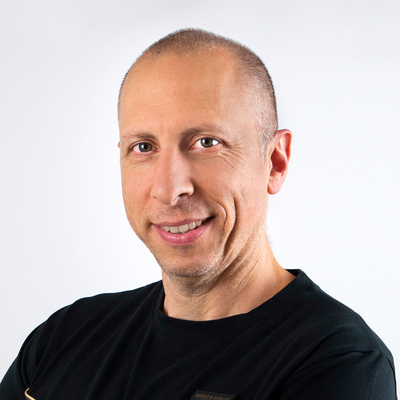
[ENG] From Sahara Dunes to Code: Architecting AI-Driven Storytelling for Platform-Agnostic Ecosystems
Business Content Strategist @ Kinsta
More About SpeakerBusiness Content Strategist @ Kinsta
Bio
Carlo has been at the forefront of web design and development for over 20 years. With a diverse academic background in Economics and Communication Sciences combined with a professional qualification in computer programming, he specializes in bridging the gap between complex system architecture and strategic storytelling. You can find his work on the Kinsta blog: https://kinsta.com/blog/author/carlodaniele/
Talk Description
In a CMS landscape often cluttered with superficial AI "add-ons," the real challenge for architects is building an intelligent orchestration layer that remains independent of the delivery platform. The goal is not just to generate text, but to eliminate the friction between human experience and digital publication. This session presents a blueprint for AI-assisted storytelling: a framework-agnostic architecture that treats the CMS as a modular destination rather than a constraint. Using the "Nomad Pipeline" as a real-world case study—developed to automate high-frequency publishing during a motorcycle journey across borders—we will explore how to decouple content intelligence from the final stack. What we will cover: The Intelligence Layer: Orchestrating GitHub Actions, OpenAI’s Whisper, and Google Gemini to transform raw, multimodal inputs (voice and imagery) into structured, context-aware data. Architecture vs. Plugins: Why moving the AI logic outside the CMS improves scalability, data governance, and system evolution. Agnostic Distribution: A practical demonstration of pushing the same AI-refined content to diverse environments: the dynamic ecosystem of WordPress (via REST API) and the high-performance static architecture of Astro.js. Human-Centric Automation: How to use AI to amplify the author's voice and authenticity while the system manages the technical "heavy lifting."

[PL] Obsidian + Claude Code: CMS dla Twojej wiedzy
CEO - Nawigator.ai
More About SpeakerCEO - Nawigator.ai
Bio
Damian Ślimak - Ekspert od automatyzacji i SEO. Od 20 lat w branży internetowej. Właściciel Nawigator.ai, gdzie usprawnia sklepy internetowe. Wykładowca akademicki, który uczy, jak technologia może pracować za nas, a nie my dla niej.
Workshop Description
Obsidian trzyma wiedzę w zwykłych plikach Markdown na dysku, a Claude Code potrafi te pliki czytać, porządkować i pisać od nowa. Razem działają jak CMS, tylko bez panelu i bazy danych: notatki, research, oferty i treści na stronę leżą w jednym miejscu, a agent AI pracuje na nich bezpośrednio. Pokażę na żywym przykładzie, jak taki system jest zbudowany i co robi za mnie każdego dnia i jak uzupełnia moją stronę www
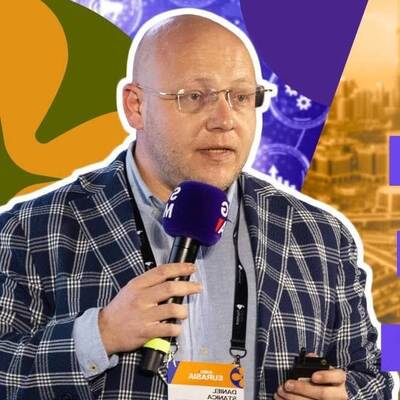
[ENG] Content Is Not King Anymore. Your CMS Is.
20+ years building at the edge of SEO, Organic Visibility, and Digital Asset investing. Romania-based. Globally networked.
More About Speaker20+ years building at the edge of SEO, Organic Visibility, and Digital Asset investing. Romania-based. Globally networked.
Bio
Daniel Stanica is a Romanian SEO, AI Visibility, and digital assets advisor. As the founder of Competico, he helps digital businesses adapt to AI-driven search by building frameworks that define what it means for brands to be discoverable in the LLM era. With 15+ years in the WordPress, hosting, and affiliate ecosystems, he's a recurring presence at CloudFest, Domain Days Dubai, and WordCamp Europe.
Talk Description
For two decades, the industry chanted one mantra: write great content, and top rankings will follow. That mantra is now wrong. Users have moved to ChatGPT, Perplexity, Claude, and Google's AI Overviews. What those systems recommend isn't determined by content quality alone, but by what your CMS outputs and how. We're at the beginning of a transition from human-readable content to machine-interpretable content. Most CMSes are quietly working against the teams using them: no or weak schema, fragmenting content into WYSIWYG soup, lagging on Core Web Vitals, and shipping no native path for AI integration. Great work, invisible to the systems that now drive discovery. This session gives CMS teams the exact technical checklist to fix it: the schema types that matter, how to model content as atomic blocks AI can chunk, the speed thresholds that decide whether crawlers stay, and the MCP and API patterns that keep your content live inside AI. You'll leave with a crash audit you can run on your own CMS and a clear answer on whether it's helping you or holding you back.
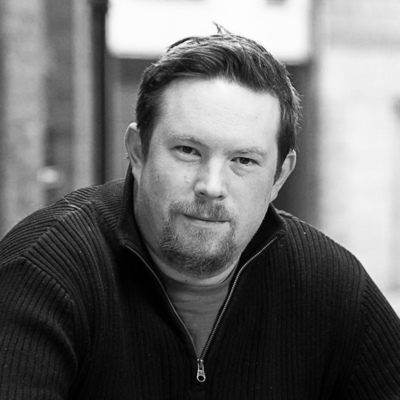
[ENG] A missing layer in content modelling
Headless content strategist and architect, specialising in enterprise migrations
More About SpeakerHeadless content strategist and architect, specialising in enterprise migrations
Bio
David Eglin is a consultant and technology leader with 20+ years’ experience in engineering and content strategy. He focuses on headless CMS and composable architecture, with a particular interest in content modelling and platform decisions. He has worked with organisations including Cancer Research UK, and is the founder of The Headless Company.
Talk Description
When organisations move to a headless CMS, one of the first challenges is understanding how their content should be structured. Ideally, that thinking happens before a platform is selected. In practice, it’s often incomplete, rushed, or shaped by the tools under consideration. Teams tend to fall into one of two approaches: Either they stay in the abstract, using diagrams and documentation that are useful for discussion but difficult to translate into working models, or they start modelling directly in a CMS early, which gives them something concrete but begins to shape decisions before those decisions have actually been made. Both approaches are valid, but both introduce challenges. Content models become tied to tools too early, or they remain too theoretical to be properly tested. When a platform is eventually selected, much of the work is repeated, translating ideas into structures that fit the chosen system. This talk explores that gap. Drawing on real-world project experience, it looks at why content models are difficult to define, communicate, and move between systems. It introduces the idea of a “missing layer” between abstract design and CMS implementation, and what that layer needs to provide in order to be useful in practice. As part of this, the session will also introduce CMMF (Content Modelling Master Framework), an open approach to describing content models independently of any specific CMS, and use it as a way to explore what a more portable, platform-agnostic model might look like in practice.
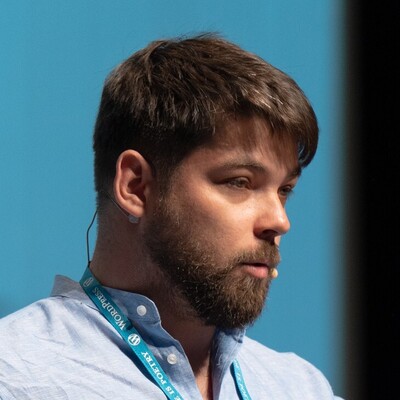
[ENG] Publr: A CMS at the Edge of What's Possible
Technical Leader - Caraway
More About SpeakerTechnical Leader - Caraway
Bio
Dawid Urbanski is a software engineer at Caraway, the creator of Publr, a single-binary CMS written in Zig, and Universal Data Layer, an open project for unifying content across CMSes. A seasoned speaker, he has worked with almost every major CMS on the market over his career, which is what eventually drove him to build his own. He builds tools that he hopes will still run a decade from now.
Talk Description
Most CMS architecture in 2026 stacks the same blocks: a JS framework, a runtime, a bundler, a couple hundred npm packages, a container, a database service. Publr asks the opposite question — how far can you push each layer of the stack before the whole thing breaks? — and ships the answer as a single ZIG binary with embedded SQLite, no npm, no frameworks, and no external Zig packages. The whole CMS builds with one command and deploys as one file.
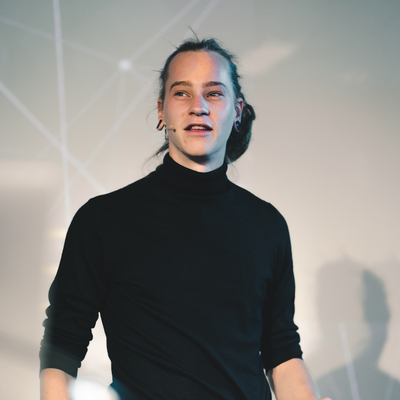
[ENG] Astro as a Universal CMS Frontend: Patterns, Tradeoffs and a Real-World Case
Lead DevRel @ React Bricks | CTO @ Vulpo | Astro Maintainer
More About SpeakerLead DevRel @ React Bricks | CTO @ Vulpo | Astro Maintainer
Bio
Elian Van Cutsem (aka ElianCodes) is a full-stack developer and creative technologist based in Belgium. He’s CTO at Vulpo and works in Developer Relations at React Bricks, focusing on DX, docs, and education. Previously, he was a core maintainer at Astro. He co-organizes BeJS, React Paris, React Brussels, and React Africa, and creates experimental AI projects that blend code, ethics, and creative chaos.
Talk Description
CMS landscapes are diverse: headless, hybrid, visual editors, embedded content tooling, and bespoke APIs all have different expectations from the frontend. In this talk I’ll show how Astro’s framework-agnostic rendering and island architecture help unify these patterns, what architectural tradeoffs matter in real projects, and what we learned integrating a visual CMS into an Astro-based workflow — focusing on practical decisions and not on product marketing.
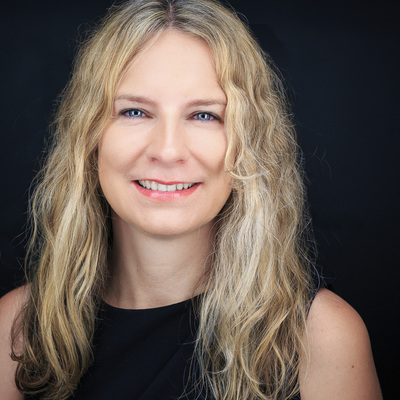
[ENG] Joomla 6 - Hidden Secrets: Work Smarter, Not Harder
President, Open Source Matters, Inc
More About SpeakerPresident, Open Source Matters, Inc
Bio
Elisa Foltyn has over 20 years of Joomla experience and runs the digital agency COOLCAT creations in Germany. Since May 2026 she serves as President of Open Source Matters, the organization that provides legal, financial and organizational support for the Joomla project. Thanks to her Polish and Italian roots she brings a natural love for good food and lively communities, and yes, she is already dreaming of pierogi in Gdynia.
Talk Description
Joomla 6 is packed with powerful features that even long-time users have never discovered. In this fast-paced session, Elisa Foltyn, President of Open Source Matters (OSM), the non-profit organization behind the Joomla project, reveals a treasure chest of hidden gems, based on a presentation originally created by Joomla co-founder Brian Teeman.
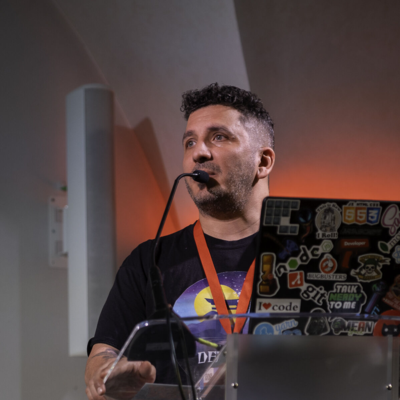
[ENG] dout.dev - how to build a vanilla CMS
Senior Design Engineer, Sensei & Co-Host @ DevDojoIT
More About SpeakerSenior Design Engineer, Sensei & Co-Host @ DevDojoIT
Bio
I’m Emiliano Pisu, your friendly neighborhood Design Engineer. Throughout my career, driven by my coding addiction, I’ve always stayed up to date with software development and related trends, focusing on UI, UX, Accessibility, Responsiveness, Compatibility, Scalability, and Maintainability. My main goal is to build accessible and pixel-perfect user interfaces that enhance the user experience. In conclusion, I’m the right person if you need a bridge between Design and Development.
Talk Description
From Markdown to Publishing Platform: Building dout.dev's Custom CMS Without a Framework dout.dev is a vanilla-first static site with zero runtime dependencies, but the interesting part is not only the frontend. Behind the site there is a small custom CMS that turns Markdown into a complete publishing workflow. Instead of adapting a general-purpose CMS to a narrow editorial process, the project uses a focused pipeline to parse front matter, normalize content, generate archives and taxonomies, render pages through a custom template engine, and run validation before anything is published. This talk walks through the architecture and the tradeoffs behind that decision. I will show why a custom CMS was a better fit for this project than a larger platform, how the content model stayed intentionally small, and where custom code creates both leverage and maintenance cost. Using dout.dev as a concrete case study, I will explain how performance, accessibility, determinism, and maintainability become CMS concerns, not just frontend concerns, when the publishing pipeline is designed end to end. Attendees will leave with a practical framework for deciding when a custom CMS is justified, what the minimum viable publishing architecture looks like, and how to keep a small content platform understandable as it grows.
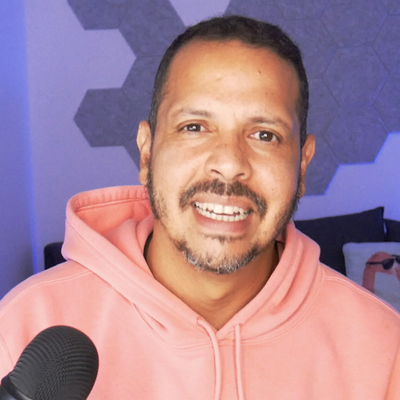
[ENG] Your CMS in the Browser: How WebAssembly is Changing the Game (and Why Your Ecosystem Should Care)
Developer Relations Advocate and Google Developer Expert
More About SpeakerDeveloper Relations Advocate and Google Developer Expert
Bio
As a seasoned Front-End Engineer with over a decade of experience, I always seek new ways to enhance digital experiences. I love nothing more than sharing my knowledge with others, so I'm a passionate advocate for learning and community building. Over the years, I've been lucky to be involved with tech communities worldwide. There's nothing quite like the energy of conferences and the exchange of ideas that takes place there. Over the years, I have spoken in more than 20 countries around the globe, sharing my expertise on all things front-end: CSS, performance optimization, machine learning, Progressive Web Apps (PWAs), and SEO. Currently, works as a Developer Relations Advocate at Automattic with the WASM solution WordPress Playground. In 2019, my contributions to the DEV community earned me the title of Google Developer Expert in web technologies.
Talk Description
What if you could spin up a full CMS --- with a real server-side language, a database, and the entire plugin ecosystem --- right in the browser, with zero setup? No Docker, no hosting, no installs. Just click a link and you're in. WordPress already does it. WordPress Playground uses WebAssembly-compiled PHP paired with a SQLite backend to runs the entire CMS inside a browser tab or a CLI. It powers real-world workflows. Live plugin demos, PR previews, security research, translation tools, one-click Blueprint-based environments, and AI-assisted site building. But this isn't a WordPress-only story. Any CMS can become a client-side app thanks to WebAssembly. In the PHP world, the hard part — the WASM runtime — is already done. Typo3 and Drupal have started exploring this path. Laravel and Symfony components already work inside the Playground runtime. Composer runs in the browser. On the JavaScript side, there is prior art on running Node.js in the browser that, with a collective open-source effort, could unlock the same possibilities for JS-based CMSes. In this talk I'll show what WordPress Playground makes possible today, explain the architecture that makes it work, and make the case for why every CMS community should be investing in browser-native runtimes. Let's grow this ecosystem together.

[ENG] Hacking and securing WordPress plugins
Security researcher
More About SpeakerSecurity researcher
Bio
Jakub Herman is a SOC Analyst and Threat Hunter based in Poland with a passion for vulnerability research. He has published 11 CVEs through Patchstack bug bounty program, with 39 more pending disclosure, and achieved #2 ranking on the platform. By day, he defends networks, by night, he hunts vulnerabilities in WordPress ecosystems.
Talk Description
I am a security researcher focused on finding vulnerabilities in Wordpress plugins. In just 3 months I have found 50 vulnerabilities, 11 cve’s and 39 awaiting diaclosure. I have acheved 2nd place in Patchstack March Leaderboard. I would like to deliver a talk mostly about broken authentication vulnerabilities in plugins, showing examples, real world impacts and remediations as well as use of AI in hunting and fixing vulnerabilities.

[ENG] MDCMS modular agent native CMS workshop
[ENG] How We Built a CMS for the AI Era
CTO @ Blazity
More About SpeakerCTO @ Blazity
Bio
Jakub Jablonski is CTO at Blazity, where he leads engineering around CMS architecture, AI agents, and modern web platforms. His work focuses on building agent-ready systems on the Vercel and Anthropic stack, combining Next.js, Claude, workflow automation, and production-grade governance. He also leads MDCMS.
Workshop Description
MDCMS is an open-source, Markdown-first headless CMS where AI agents are first-class users rather than a bolted-on feature. In this hands-on workshop we'll integrate it directly into a real Next.js codebase: define schemas in TypeScript, sync via CLI, open a visual Studio for editors, and connect agents through MCP to bulk-edit content, update config from prompts, and extend the platform via its type-safe module system.
Talk Description
Teams should not have to choose between local Markdown/MDX editing and enterprise-level CMS collaboration. Local files are fast, transparent, easy to diff, and natural for developers and AI tools. But real content operations also need permissions, environments, version history, review flows, and safe publishing. In this talk, I’ll share how we designed MDCMS from the ground up to be AI-native across the whole system, while combining the best of both worlds: a local file-like editing experience and the controls expected from an enterprise-ready CMS.

[ENG] How AI Transformed SEO & Content Across a 4-Product Ecosystem
Melograno, Content and SEO Lead
More About SpeakerMelograno, Content and SEO Lead
Bio
Jovana Smoljanovic is a Content & SEO Lead specializing in SEO-driven content systems, product marketing, and scalable content operations. She leads content strategy across a multi-product ecosystem that includes three WordPress plugins and one SaaS platform, managing more than 1,500 content pieces across multiple domains. Her work focuses on aligning SEO, content, and product growth through structured workflows, data-driven planning, and AI-assisted processes.
Talk Description
Managing SEO and content across multiple products sounds manageable, until scale turns it into an operational challenge. In this session, I’ll share how we transformed our SEO and content workflows across a 4-product ecosystem (three WordPress plugins and one SaaS platform), managing more than 1,500 content pieces across multiple domains. As our content library grew, manual workflows became increasingly difficult to sustain: keyword research slowed down, content production took time and lacked consistency, audits became time-consuming, and identifying content gaps required significant manual effort. We needed a smarter, more scalable way to manage content operations without sacrificing quality or strategic direction. This talk explores how we introduced AI into our daily SEO and content workflows, not to replace people, but to remove bottlenecks and improve consistency across the ecosystem. I’ll walk through real examples of how AI supported us along the way and where human expertise remained essential.
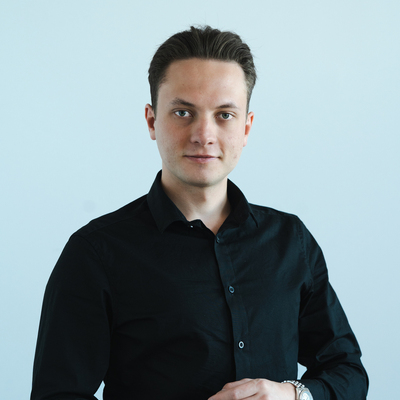
[ENG] SEO Starts in the CMS. How System Decisions Shape Organic Visibility
SEO Team Leader
More About SpeakerSEO Team Leader
Bio
On a daily basis he oversees the work of the entire SEO team placing particular emphasis on ensuring that all activities translate into measurable business results. As a specialist with experience coordinating both global and domestic projects he believes that the key to success is a well-thought-out strategy built on data, collaboration, and consistent execution. In his work he combines a strategic perspective with a practical approach to growing organic visibility and delivering business value
Talk Description
Many SEO problems do not start with content, links, or individual page optimization. They start much earlier - in the way the CMS is designed. URL generation, redirects, canonical tags, indexation controls, XML sitemaps, pagination, multilingual setup, structured data, media handling, and content templates can either support organic visibility or limit it from day one. In this talk, I will show which CMS-level decisions have the biggest impact on SEO, what issues are commonly built into content management systems, and why some of them are difficult to fix after launch. The goal is to show how SEO can be designed into the system itself, instead of being treated as a patch after the website is already live.

[ENG] MDCMS modular agent native CMS workshop
Software Engineer @ Blazity
More About SpeakerSoftware Engineer @ Blazity
Bio
Karol Chudzik is a Software Engineer at Blazity, a Vercel Certified Solution Partner building high-performance Next.js applications for global companies. He is one of the top contributors to MDCMS, the open-source, Markdown-first CMS with built-in AI agents, where he works on its modular architecture and MCP integrations. Karol focuses on developer tooling and on making AI agents reliable participants in real codebases.
Workshop Description
MDCMS is an open-source, Markdown-first headless CMS where AI agents are first-class users rather than a bolted-on feature. In this hands-on workshop we'll integrate it directly into a real Next.js codebase: define schemas in TypeScript, sync via CLI, open a visual Studio for editors, and connect agents through MCP to bulk-edit content, update config from prompts, and extend the platform via its type-safe module system.
[PL] Anatomia WooPadku
Optimer.io - Optymalizacja wydajności WooCommerce
More About SpeakerOptimer.io - Optymalizacja wydajności WooCommerce
Bio
Od 16 lat związany z ecommerce - od SEO i analityki, poprzez prace programistyczne, wdrożenia nowych sklepów na WooCommerce do optymalizacji i skalowania. Obecnie Team Leader w Cross Border Agency i twórca Optimer.io. Skupiony na analizie wydajności sklepów i budowie narzędzi ułatwiających utrzymanie WooCommerce w idealnym stanie technicznym - bez przestojów, bez utraty przychodów i bez frustracji.
Talk Description
Jak WooCommerce radzi sobie w erze "vibe codingu" i narzędzi AI? Dlaczego coraz mniej firm decyduje się na oparcie biznesu o sprawdzoną przez wiele funkcjonujących firm platformę? Jak to się stało, że przez lata budowana solidna podpora setek tysięcy sklepów na całym świecie traci pozycję "pierwszego wyboru" i staje się nieatrakcyjną propozycją? A może jednak WooCommerce ma jeszcze coś do zaoferowania?

[PL] Klient nie kupuje kodu, kupuje od Ciebie spokój - czyli o empatycznej komunikacji w IT
co-founder Netivo
More About Speakerco-founder Netivo
Bio
Współwłaścicielka software house’u Netivo i współorganizatorka WordUp Warszawa. Z eventów biznesowych, gdzie deadline to koniec świata, trafiła do IT, gdzie czas płynie… inaczej. Od 7 lat łączy biznes z technologią – tłumaczy klientom WordPressa, a programistom potrzeby klientów. Od ponad 12 lat odpowiada za komunikację i budowanie relacji.
Talk Description
Klient nie kupuje od Ciebie systemu ani linijek kodu. Kupuje poczucie bezpieczeństwa – zrozumienie, przewidywalność i współpracę z kimś, kto potrafi przeprowadzić go przez technologiczny chaos. W tej prelekcji pokażę, co naprawdę stoi za pytaniami, obawami i frustracjami klientów oraz dlaczego problemy w projektach IT rzadko wynikają z technologii, a znacznie częściej z braku zrozumienia. Opowiem, jak tłumaczyć decyzje techniczne w ludzki sposób i budować zaufanie w relacji z klientem. I dlaczego empatia to nie „bycie miłym” ani czytanie w myślach – a przekonanie, że „emocje zostaw za drzwiami”, to jeden z największych mitów biznesu.
[PL] Ło Panie! A kto tu Panu tak s$%&… zepsuł?
UI Developer, UX Designer, WordPress Unicorn
More About SpeakerUI Developer, UX Designer, WordPress Unicorn
Bio
UI Developer, UX Designer, WordPress Unicorn. Kasia helps small businesses turn browsers into buyers with flexible websites, strong messaging, and a clear plan. In her spare time, organizes WordCamp Europe and WordCamp Kraków, hikes, sails, does yoga, and listens to poorly written crime audiobooks. You can find her links here: https://anoriell.eu/
Talk Description
Wnioski z godzin audytów stron klientów, tygodni wysłuchiwania historii o „poprzednich wykonawcach” i miesięcy wprowadzania drobnych poprawek, które potrafią zrobić ogromną różnicę. Porozmawiamy o tym, co najczęściej psuje strony internetowe i co możemy zrobić, żeby: • poprawić wyniki biznesowe klientów, • uratować dobre imię deweloperów, • i przywrócić trochę zdrowego rozsądku po obu stronach.

[ENG] Kill the PDF. AI-Powered Marketing That Actually Gets Seen (and How to Maintain It).
Senior Product Marketing Manager at Patchstack
More About SpeakerSenior Product Marketing Manager at Patchstack
Bio
Lana Rafaela is a Senior Product Marketing Manager at Patchstack, the WordPress security platform trusted by hosts, developers, and agencies. She spends her days turning complex security data into stories people actually want to read - and lately, weaponizing AI to make those stories impossible to ignore.
Talk Description
PDFs are where great marketing goes to die — and yet most of us keep making them. We decided to stop. Instead, we used AI to transform our static materials into dynamic, interactive tools that turn "just trust us" into hard data people can actually explore. We built the whole thing ourselves, with prompts, no developers, in a fraction of the time. And then we had to maintain it. This talk is about both halves. The exciting part — using AI to build marketing that actually works — and the part nobody puts in the conference abstract: what happens after you ship. The security scan with 8 warnings. The codebase that became a black box. The very confident AI that left the door unlocked. I'll show you exactly how we did it — from auditing the assets that were silently failing, to using AI to convert qualitative content into quantitative proof points, to the unglamorous work of keeping it secure once it's live. No fluff. No theory. Just what worked, what broke, and what we'd do differently. Come for the AI tips. Stay for the PDF funeral.

[ENG] No Authors. No Pages. No CMS. More Content Than Ever. Welcome to 2030.
Executive Director Technology, VML
More About SpeakerExecutive Director Technology, VML
Bio
Fernandez is a technology leader with 20+ years across software development, architecture, and martech. He has delivered 250+ projects in 25 countries for global brands, taking on roles from developer to CTO and strategist. Fluent in Spanish, Portuguese, and English, he bridges business vision with technical execution. As Executive Director of Technology at VML, he focuses on AI, composable architectures, and data-driven personalization.
Talk Description
The fundamentals of a CMS were built around three assumptions: humans author content, the system stores and publishes pages, and frontends are built once and rendered many times. By 2030, on a ride that has already started, all three will have inverted, and the architectural decisions we make now will determine whether our platforms travel with the shift or get left behind. Production inverts. It's already happening: bots draft and humans orchestrate. Quite very often, the author's job is no longer to "create" content, but to describe intent, voice, and acceptance criteria — then direct the agents who draft, fact-check, localize, and adapt. WYSIWYG gives way to WYDIWYG: (What You Describe Is What You Get...most of the time, at least). So, new CMS primitives are emerging: intent objects, brand contracts, agent identities, evals, and cost budgets per piece. Substrate inverts. What we used to call CMS becomes invisible. It becomes a semantic layer of authored and derived content (embeddings, summaries, translations, agent-ready chunks, voice variants), addressable by agents over MCP, where "publish" is continuous and the URL is one address among many. Most content in 2030 won't be authored; it will be derived. CMSs will become a materialization engine rather than a repository. Surface inverts. Frontends are synthesized on demand. Design tokens and component logic become runtime contracts that an agent assembles into an ephemeral UI per request — voice, AR, web fragment, embedded inside someone else's agent. The frontend stops being something you build and becomes something that's requested. This talk walks all three inversions as one connected architectural shift, with concrete patterns for each, what survives (the content model, governance, the design system as contract), what dies (the page, the template, the publish button, the URL as primary address), and what every CMS team should be doing now to prepare.

[ENG] Rise and Fall of Open Source CMS: From the Early Web to Today
WordPress Developer
More About SpeakerWordPress Developer
Bio
Łukasz is a PHP and Ruby on Rails developer with 20 years of experience building web applications. Over the years, he has collaborated with numerous Polish and international brands, including Grand Parade, ESGroup, White Label Coders, Automattic, and 10up. Currently working as a WordPress developer at Hostinger. Łukasz is an active member of the Polish WordPress community and has spoken at WordCamp Poland conferences, as well as WordCamp Asia.
Talk Description
An exploration of the evolution of open source CMS platforms - from the early days of the web to today’s dominant solutions. This talk looks at once-popular systems that have faded away, the reasons behind their decline, and the key factors that allowed WordPress to rise and become the leading CMS. Along the way, we'll examine how technology choices, community, and ecosystem shaped the winners and losers of the CMS landscape.

[PL] Myślałem, że będę aktualizował wtyczki – wyobrażenia vs rzeczywistość w pracy na supporcie
Head of WLC Growth&Care
More About SpeakerHead of WLC Growth&Care
Bio
Maciej Kuchnik zaczynał jako developer, dziś jako Head of WLC Growth & Care w White Label Coders buduje i prowadzi dział odpowiedzialny za rozwój i utrzymanie projektów WordPress. Twórca podcastu „Rób WordPressa" i autor książki „Rób WordPressa lepiej". Wielokrotny prelegent na WordUpach i WordCampach.
Talk Description
Jakiś czas temu skończyłem duży projekt – napisałem skomplikowany tool do migracji danych w WordPressie. I wtedy usłyszałem: „Przechodzisz do supportu." Moja pierwsza myśl? Ja, senior developer, będę teraz aktualizował wtyczki? Przyjąłem to jednak z pokorą jako wyzwanie. I dobrze, bo rzeczywistość szybko zweryfikowała moje wyobrażenia o tym, czym support w ogóle jest. Dziś jestem Head of WLC Growth & Care – działu, który w White Label Coders odpowiada za rozwój i utrzymanie projektów WordPress. I mogę powiedzieć jedno: support to jedno z najtrudniejszych środowisk, w jakich pracowałem jako developer. W tym wystąpieniu opowiem o tym, czego nie widać z zewnątrz: dlaczego dobry support wymaga szerszej wiedzy niż niejeden projekt greenfield, jak debugowanie cudzego kodu w środowisku produkcyjnym – pod presją czasu i oczekiwań klienta – uczy precyzji i pokory jednocześnie, i dlaczego wyzwania komunikacyjne w tej pracy są równie złożone jak techniczne. Na konkretnych przypadkach z WLC – bez lukrowania.

[ENG] Open Source is democratic infrastructure. Support it!
Partnerships & Community Manager EMEA at Kinsta
More About SpeakerPartnerships & Community Manager EMEA at Kinsta
Bio
Marcel is Partnerships & Community Manager EMEA at Kinsta. He has been active in the WordPress community since 2010 and ran his own WordPress agency until 2020. He is/has been a WordCamp organizer, forum moderator, and translation editor. When he’s not looking at a screen he enjoys walking, working out in the gym, riding a bike, and playing tennis.
Talk Description
Open source is democratic infrastructure: built in public, improved by many, and trusted because it is transparent. But infrastructure does not maintain itself. In this talk, Marcel Bootsman shares a practical playbook for how companies and individuals can support open source without taking control, reduce burnout risk, and turn good intentions into sustainable contribution.
[ENG] Publish-Driven Static Frontends: Cache-First Delivery with On-Demand Revalidation
Frontend developer
More About SpeakerFrontend developer
Bio
Marius is a software developer and designer focused on intuitive UIs, scalable architecture, real-world problem-solving and effective code-shipping. He works primarily with Next.js, TailwindCSS, and Figma to design and build secure and maintainable web apps in cross-functional teams.
Talk Description
Modern frontend architectures promise the best of both worlds: static performance and dynamic data. But in practice, many teams still rely on time-based revalidation or request-triggered regeneration, leading to stale content and unpredictable cache behavior. This talk introduces a publish-driven approach to static frontends, where data changes—not time—become the primary trigger for cache invalidation and regeneration. Using patterns built on top of Next.js (ISR, API routes, and on-demand revalidation), we’ll explore how to turn your frontend into an event-driven system. By leveraging webhooks from your CMS or backend, you can precisely control when content updates propagate, while still benefiting from CDN-level performance and cache-first delivery. We’ll walk through the architectural shift from time-based to event-based rendering, discuss trade-offs, and demonstrate how this approach generalizes beyond Next.js to any framework that supports static generation and server-side hooks.
[ENG] Spoilt for Choice: Selecting the Right CMS for Your Online Course
Digital Marketing Specialist and Online Course Creator
More About SpeakerDigital Marketing Specialist and Online Course Creator
Bio
Mary, who holds an MSc in Marketing, has been active in online business since 2021. She specialises in the strategic and technical delivery of online courses and other digital products for her clients. Since 2025, Mary has also created and sold her own courses focused on email marketing. A passionate advocate for authentic business relationships, she is a regular speaker at Polish WordCamps and the WordCamp Wrocław organiser.
Talk Description
In the era of AI and self-proclaimed marketing gurus, many creators are questioning the point of creating and selling online courses. The truth is far more complex though - there's still demand for online courses, but the market has changed. Learners’ expectations are much higher, both in terms of course quality and the way it is sold and delivered. This brings us to the choice of CMS. Many solutions are available on the market, and we're spoilt for choice. In my presentation, I will highlight the features and criteria to look at when choosing the best CMS to sell and deliver your online course. There is no “one size fits all”, and cost optimisation is just one of the points I will make.
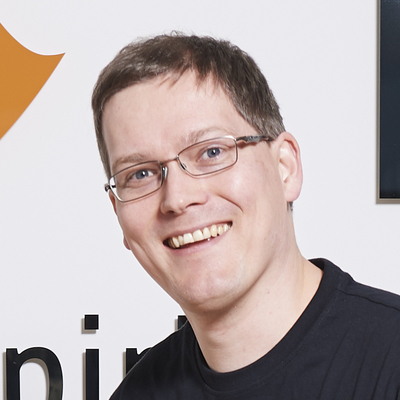
[ENG] Introduction to Modern TYPO3 Development
[ENG] Digital Sovereignty by Design
TYPO3 Project Ambassador
More About SpeakerTYPO3 Project Ambassador
Bio
Mathias Bolt Lesniak lives outside Oslo, Norway. He is the official project ambassador of the TYPO3 CMS project and an experienced and lively public speaker who builds engagement in open source communities by highlighting the connection between code and society at large. He has done numerous conference keynotes and motivational talks centering on topics less commonly addressed — but vitally important to your own and open source’s success.
Workshop Description
Everyone's convinced a few good prompts can build a real platform. In this workshop, we test that assumption by looking at the pieces we maybe shouldn't vibe-code. TYPO3 CMS already gives developers a rich set of APIs and features, shaped by decades of real-world use and security review. We'll develop a website with custom functionality together and see, example by example, just how much you can do — securely and maintainably — when you're building on an enterprise platform that's already battle-tested. Bring some PHP knowledge and a laptop with a DDEV installed.
Talk Description
Digital sovereignty is the biggest topic right now, but true digital sovereignty cannot happen without the freedoms of open source software. Let's look at what digital sovereignty really is and how you and your agency can become providers of true "digital sovereignty by design." We'll look at how digital sovereignty affects different CMS users depending on size and financial strength, and how choosing an open source CMS can be one of the keys to greater independence. How do you talk about digital sovereignty? Some voices make it seem like controlling your data is everything. We often hear this from proprietary vendors, whose only solution is to restrict the conversation, because digital sovereignty challenges their business model. Delivering digital sovereignty requires understanding how to cope with your own digital sovereignty challenges. In the future, you’ll be advising your clients and choose the right kind of pragmatism.
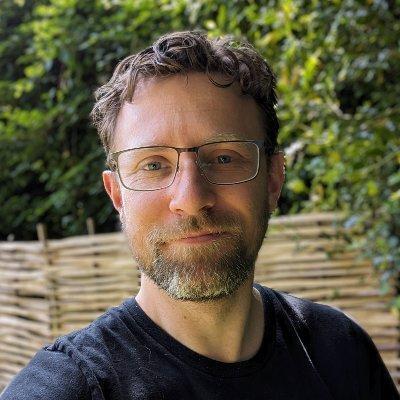
[ENG] Ship, Automate, Extend: A Hands-On EmDash CMS Workshop
[ENG] Beyond WordPress: Building EmDash, a CMS for the Serverless and AI Era
Senior Principal Systems Engineer, Cloudflare
More About SpeakerSenior Principal Systems Engineer, Cloudflare
Bio
Matt is an open source developer from the UK. After a brief career as a baker and pastry chef, he's spent over 25 years building for the web. He is currently a core maintainer of the Astro web framework, and is the creator and lead maintainer of EmDash. Matt was previously a Gatsby core maintainer, has contributed to most JavaScript web frameworks, and has a sideline selling the world's fastest LED camera flash.
Workshop Description
In this two-hour workshop, you'll go from zero to a fully deployed, agent-powered CMS site, and learn how to extend it with your own plugins. We'll start by deploying an EmDash blog to production, covering configuration, content modeling, and the deployment pipeline. From there, we'll explore EmDash's agentic capabilities, using AI agents to configure and customize the site, and to generate, enrich, and manage content without manual busywork. Finally, we'll roll up our sleeves and build a custom plugin, covering the plugin lifecycle, APIs, and how to package and ship your extension.
Talk Description
WordPress powers 43% of the web but inherits a security model from 2003. When you install a WordPress plugin, you grant it unrestricted access to your database, filesystem, and user data. The result: 96% of WordPress security vulnerabilities originate in plugins. At Cloudflare, we asked: what would WordPress look like if built today? Our answer is EmDash — a full-stack TypeScript CMS powered by Astro and Cloudflare Workers. EmDash keeps what made WordPress successful (extensibility, plugin ecosystem, familiar admin UX) but rebuilds it on serverless, type-safe foundations. In this talk, Matt Kane (EmDash's lead engineer) and Matt Taylor (EmDash's product manager) explain how EmDash uses sandboxed Worker isolates to solve the fundamental security problem of plugin architectures, why Astro's content-driven approach makes it ideal for modern CMS frontends, and how we've designed EmDash to be AI-native from day one — complete with built-in MCP servers, agent skills, and x402 payments for the agentic web.

[ENG] Do I still need a CMS?
Head of Product Development @ 300.codes
More About SpeakerHead of Product Development @ 300.codes
Bio
Head of Product Development at 300.codes with 15+ years in web development. Since 2012 at KERRIS group, delivering projects for global brands like UBER, Porsche, and Roche. An AI Assisted Development practitioner and contributor to Open Mercato. Mentor, speaker, and workshop host at InfoShare Academy, WordCamp, and more. Co-founder of Fundacja WWW, promoting best practices in web development across Poland. A mentor and speaker who believes that sharing knowledge builds a stronger IT community.
Talk Description
For years, a CMS solved a real problem: how to build fast, without writing everything from scratch. Mature ecosystems, proven solutions, predictable delivery costs. It made sense. Today, that equation is starting to look different. AI Assisted Engineering is changing the accessibility and cost of software development in ways that were simply unrealistic just a few years ago. Solutions built for a specific problem, without the overhead of functionality nobody needs. Sites that are faster, leaner, and easier to maintain – because they contain only what they were built to do. In this talk, I'll share what this looks like in everyday practice. Not as an argument against CMSs, but as context for a more deliberate decision: when an off-the-shelf solution still has the edge – and when it becomes a debt you'll be paying for years. This session is for tech leads and software house owners thinking about whether – and how – to evolve their teams and processes.
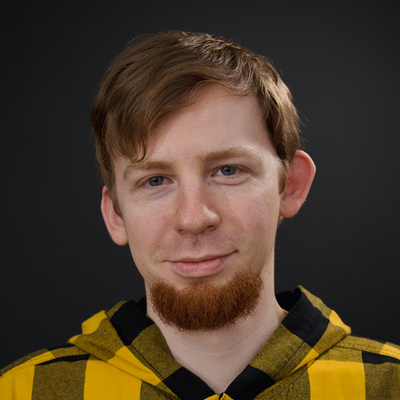
[ENG] Co-authored by Claude, reviewed by reality.
Software Engineer at Coditive
More About SpeakerSoftware Engineer at Coditive
Bio
Michał is a Senior Web Developer at Coditive. He's worked with WordPress since 2017, helping his team build simple, robust solutions to client problems, from plugins and themes to 3rd party integrations. Off duty: a wannabe chicken farmer
Talk Description
AI is already changing how we build for CMS platforms: generating code compatible with any CMS, drafting API integrations, and prototyping entire features faster than ever. But while AI can speed up early delivery, shipping that work to real clients is a different story. We’ll share real examples of AI-assisted projects: what worked, what broke, and what still needed a human. We’ll cover the second wave after the first draft (debug, refine, test) and the gap between AI promises and client expectations around time, cost, and “doing it cheaper”.
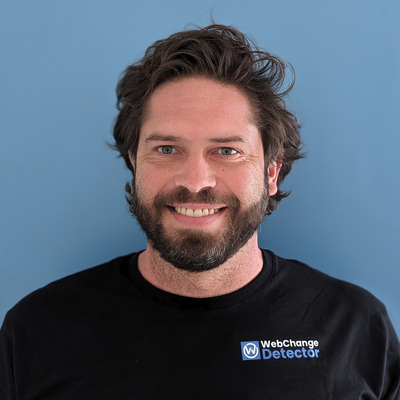
[ENG] Confident Updates: A Visual Regression Testing Workshop for Agencies
Founder of WebChange Detector
More About SpeakerFounder of WebChange Detector
Bio
Mike Miler is a WordPress developer and agency owner who has been shipping and maintaining client sites since 2012. After one too many broken page after updates, he built a tool to do it for him. That tool became WebChange Detector, a visual regression testing platform now used by agencies and developers to catch layout breakage before clients do.
Workshop Description
A workshop where every attendee leaves with a working visual regression tool running locally on their own laptop. Add your client URLs, capture baselines, simulate updates, and watch the tool flag broken layouts in side-by-side comparisons. The full source code is yours to keep, extend, and ship into your agency workflow.
[ENG] WordPress gems for devs: Accessibility with HTML API
WordPress engineer @ Toptal
More About SpeakerWordPress engineer @ Toptal
Bio
Milana Cap is a WordPress engineer at XWP, freelance WordPress engineer at Toptal, WordPress Documentation Team representative, plugin reviewer, and Documentation Focus lead for WordPress 5.8 - 6.2 and 7.0 release cycles. She helped organise some of the largest WordPress conferences, WordCamp Europe 2018 and 2019, and 2026. Being a single mum in Serbia, she developed the superpower of fighting the odds. Easily bribed with dark chocolate and a nice piece of bacon.
Talk Description
In recent releases, WordPress has started introducing small portions of real gems that will have an immense impact on the way we develop websites and think about essential aspects of them that go beyond the code, such as performance, user experience, developer experience, and maybe the most important of all, accessibility. Did you know that WordPress' HTML API powers Interactivity API? Did you know it is delightful and fun to develop with? And did you know that it can be essential for improving accessibility in every step of your development workflow? Milana can show you how.
[ENG] How to Stay Sane When Your AI Is an Improv Performer with a REST API
Senior Software Engineer
More About SpeakerSenior Software Engineer
Bio
ull-stack WordPress developer from Belgrade, Serbia, with 20+ years as a software engineer specializing in performance optimization, custom development, and integrating WordPress with complex systems. A long-time WordPress community contributor, he volunteers in translations and organizes and speaks at local meetups and regional WordCamps. Currently at GoDaddy, he's focused on connecting conversational AI with WordPress to shape more intuitive, human-centered site-building experiences.
Talk Description
LLMs are the most confident unreliable narrators we've ever put into production. They'll invent court cases in beautiful prose, cite papers that don't exist, and tell you the capital of Australia is Sydney with the same tone they use for things they actually know. The scary part isn't that they're wrong — it's that they're wrong in a voice we've spent a hundred thousand years learning to trust. We will explore bad sides of LLMs — hallucination, bias, silent failure, and the confidence trap — and what critical thinking actually looks like when your main source of information has started freestyling in complete sentences. Equal parts for the engineers wiring these things into products and the PMs writing the specs, with jokes at the model's expense and none at yours.

[PL] A miało być łatwo: prawie dwa lata migracji Zendesk Knowledge do nowego edytora
Zendesk, Senior Product Manager
More About SpeakerZendesk, Senior Product Manager
Bio
Pati Walencik jest product managerką z ponad dziesięcioletnim doświadczeniem w tworzeniu produktów cyfrowych. Współtworzyła produkty dla takich marek jak Gratka, Telemagazyn, nju mobile i Orange Flex. W Zendesk koncentuje się na zarządzaniu wiedzą, sposobach jej tworzenia, organizowania i udostępniania. Poza pracą produktową angażuje się w edukację jako wykładowczyni i mentorka, a także wspiera inicjatywy społeczne jako członkini jury programu Sektor Fundusz 3.0.
Talk Description
Ta prezentacja opowiada historię migracji edytora Zendesk Knowledge z wersji legacy do nowego edytora. To, co miało być stosunkowo prostym przejściem z programu Early Access do publicznego udostępnienia, przerodziło się w niemal dwuletni projekt realizowany przez zespoły inżynieryjne, produktowe i operacyjne. Prezentacja skupi się na najważniejszych decyzjach, napotkanych wyzwaniach, tym, co przeoczyliśmy, oraz wnioskach z wdrażania dużej migracji edytora w istniejącym produkcie.
[PL] Trzy warstwy obrony przed spike: jak zaprojektowaliśmy CMS biletowy w Laravelu
CEO i współzałożyciel decocode oraz Safe Tickets
More About SpeakerCEO i współzałożyciel decocode oraz Safe Tickets
Bio
Patryk Sawicki — CEO i współzałożyciel decocode, software house'u specjalizującego się w aplikacjach webowych w Laravelu. Współzałożyciel Safe Tickets, autorskiej platformy biletowej. Z PHP pracuje od 2009 roku, z Laravelem od 2018. Projektuje produkcyjne systemy dla e-commerce i ticketingu. Interesuje się architekturą odporną na obciążenie i pragmatycznymi trade-offami inżynierskimi.
Talk Description
Sprzedaż biletów jest trudniejsza, niż się wydaje. Gdy 200 osób klika "kup" w tej samej milisekundzie, każda warstwa stosu - baza danych, kanał real-time, zakładka w przeglądarce - musi podejmować decyzje, których normalnie nie musi. Zbudowaliśmy własny CMS w Laravelu pod Safe Tickets właśnie po to, żeby sobie z tym radzić. Nie dlatego, że gotowe platformy nie potrafią - ale dlatego, że poradzenie sobie z tym dobrze wymagało decyzji architektonicznych, które chcieliśmy podejmować sami. W tej prelekcji pokazuję trzy z nich - i nie udaję, że któraś jest idealna. Po pierwsze: jak serializujemy współbieżne zakupy na poziomie bazy, używając czterowarstwowego pattern'u idempotentności łączącego Cache::lock z UNIQUE constraint w DB jako finalnym fallbackiem, który przeżywa zarówno wyczyszczenie cache, jak i przerwanie locka. Po drugie: jak utrzymujemy spójny stan miejsc we wszystkich otwartych zakładkach przy użyciu Laravel Reverb - pięć typów eventów, kanały publiczne i prywatne, oraz świadome trade-offy przy broadcasting wewnątrz transakcji DB. Po trzecie: co się dzieje, gdy użytkownik zamknie zakładkę z zablokowanymi miejscami. Nie karzemy go - dajemy mu czas. sendBeacon, dwuminutowy grace period i state restore, który przeżywa pełne odświeżenie strony. To nie jest prelekcja "zbudowaliśmy idealny system". To prelekcja "oto trade-offy, które zrobiliśmy, oto co zmienilibyśmy, oto co zrobilibyśmy znowu".
[ENG] Payload as an AI-native CMS
Senior Engineer @ Figma
More About SpeakerSenior Engineer @ Figma
Bio
Paul is a senior engineer at Figma building Payload, an open source headless CMS that has surged in popularity since 2025.
Talk Description
What does it look like when a CMS is best placed to be extended by AI and used to build agents and rich integrations. MCP API and embeddings allow you to interface with your data in some new and creative ways without removing your guardrails or reinventing the wheel.

[ENG] Beyond Publishing: Why You Must Rethink What "CMS" Even Means
Fourteen years building CMS platforms for enterprises. Now redefining what they should be.
More About SpeakerFourteen years building CMS platforms for enterprises. Now redefining what they should be.
Bio
Paweł Zmysłowski is the CEO of White Label Coders - Poland's largest WordPress engineering team and a strategic partner for enterprise B2B clients across Europe. He started as a developer, built his own CMS framework before WordPress dominated the market, and spent fourteen years scaling WLC into a 60-person agency serving iGaming, e-commerce, publishing, and enterprise media. Today he focuses on how AI is reshaping enterprise content operations - and what it means for CMS.
Talk Description
For fifteen years, the CMS industry has built tools for one job: publishing content to a website. Meanwhile, every enterprise has quietly accumulated a parallel content universe - webinar recordings, internal knowledge-sharing sessions, sales calls, support tickets, training materials, customer Q&As. This knowledge sits in silos. It rarely makes it to the website. It almost never trains a chatbot, feeds a sales enablement system, or becomes a learning module - even when it should. AI just changed the economics of turning that knowledge into anything an enterprise needs: an article, a chatbot dataset, a knowledge base, a sales deck, a training course. The bottleneck is no longer creation. It's orchestration - knowing what content exists, where it sits, what context it carries, and how to route it to the right audience in the right format. This is not what today's CMS does. This talk argues that "content management" is about to be redefined: from a publishing tool into the operational backbone of how enterprises capture, contextualize, and deploy their own knowledge.

[ENG] The CMS A11y Matrix: Choosing the Right Engine for an Inclusive Web
Tech Lead at Ambiscale
More About SpeakerTech Lead at Ambiscale
Bio
As Tech Lead at Ambiscale, Piotr Mońka is responsible for developing technical teams and ensuring the delivery and maintenance of high-quality projects. He ensures the highest standards of performance, security, SEO, and accessibility for websites and web applications. He is passionate about creating high-quality solutions, implementing modern standards, and sharing his knowledge with others.
Talk Description
A CMS that naturally supports accessibility is the difference between a sustainable architecture and a continuous battle against your own tech stack. With the European Accessibility Act (EAA) elevating digital inclusion, web accessibility has evolved from a simple frontend developer's checklist into a core architectural strategy. We can craft WCAG 2.2-compliant templates, but true success happens when the CMS empowers content editors to maintain that standard effortlessly. In this session, we’ll embark on a journey to discover the true accessibility potential of today's popular CMS platforms. We will explore the unique strengths, built-in guardrails, and integration paths of traditional monoliths (like WordPress and Drupal), agile SaaS builders, and modern Headless architectures. Together, we will build The CMS A11y Matrix. Join me to uncover how choosing the right tech stack can streamline your compliance, boost your team's efficiency, and help you deliver a truly inclusive, high-performance web experience.
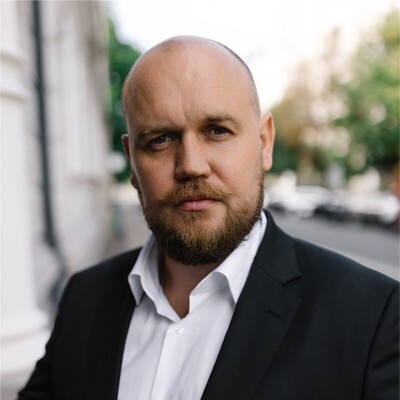
[ENG] Growing the CMS Market: What I Learned After Onboarding 6+ Million Users
Head of Product, WPBakery
More About SpeakerHead of Product, WPBakery
Bio
Product leader with 10+ years driving strategic growth for WordPress-focused B2B and B2C solutions, including WPBakery page builder. Raitis holds deep expertise in e-commerce, digital marketing, UX, and scaling organizational teams. Active educator, speaker, and community contributor with a strong presence in IT and WordPress spaces.
Talk Description
After onboarding over 6 million users at WPBakery and teaching hundreds of students, one insight stands out: most CMS-based companies focus on onboarding users into their products, not the CMS itself. This session explores why educating users about the broader ecosystem is critical for growth and how shifting onboarding beyond your product can expand your market and create more successful customers.

[ENG] The Attacker That Never Logged In: the Blind Spot in WordPress Security
Founder & CEO of Melapress
More About SpeakerFounder & CEO of Melapress
Bio
Robert Abela is the CEO and Founder of Melapress, developers of WordPress security and user management plugins including WP Activity Log and WP 2FA. With 20+ years in software development and web application security, Robert has held roles in systems engineering, R&D, and product management at companies including GFI Software, Acunetix, and Netsparker. Melapress plugins are now active on more than half a million websites worldwide.
Talk Description
They didn't guess the password. They didn't break 2FA, bypass the firewall, or trigger a single alert. The activity log shows no failed attempts, no unusual login times, no new accounts created. And yet, the attacker is inside your WordPress site, accessing your WordPress dashboard. Session hijacking leaves no login trace, because the attacker never logged in. They took an authentication cookie and reused an existing session. To WordPress, every request looks legitimate; the real user's credentials, their 2FA, their login restrictions, none of it applies. The session was already authenticated. Most WordPress security advice is built around hardening and protecting, however, that leaves a critical blind spot: what happens after authentication succeeds? In this talk, we'll walk through how WordPress creates and validates authentication cookies and session tokens, explore the real-world scenarios where sessions get stolen, and map out what an attacker can do with a hijacked session before the damage becomes visible. Then we'll get practical. We will look into how session visibility, timeout policies, concurrent login controls, device recognition, and activity logging that captures post-login behaviour are the controls that catch what firewalls and 2FA miss. Firewalls, 2FA, and passkeys are essential. This talk covers what comes after them.
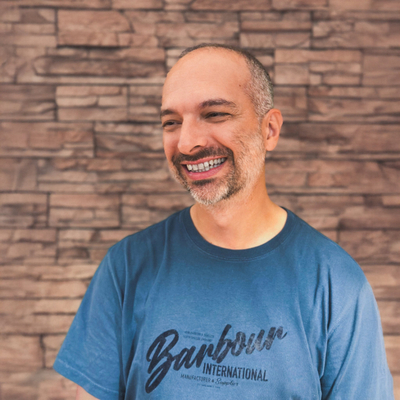
[ENG] A CMS Is Nothing Without Community
Founder at Checkout Summit & Business Bloomer
More About SpeakerFounder at Checkout Summit & Business Bloomer
Bio
Author, WooCommerce expert and WordCamp speaker, Rodolfo has worked as an independent WooCommerce freelancer since 2011. His goal is to help entrepreneurs and developers overcome their WooCommerce nightmares. Rodolfo loves travelling, chasing tennis & soccer balls and, of course, wood fired oven pizza
Talk Description
We often evaluate CMS platforms by features, integrations, and publishing workflows. But the strongest CMS ecosystems are built on something less visible: community. In this talk, I’ll share why conferences, meetups, educational content, and user communities are often the real drivers of adoption, retention, and growth. Drawing from years inside the WooCommerce and WordPress ecosystem—and organizing industry events myself—I’ll show why software alone is never enough, and what content professionals, agencies, and CMS teams can do to build stronger ecosystems around their platforms.
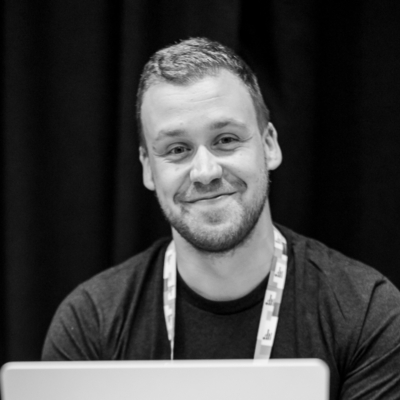
[ENG] Who Owns the Plugin That Broke Production?
Product Person by day, WordPress vigilante by night
More About SpeakerProduct Person by day, WordPress vigilante by night
Bio
Simon has been an avid WordPress user since 2008. While working as a Product Manager in a Open Source security company, he also dabbles with writing blog posts and newsletters and talking in podcasts about WordPress. He is an active community member and spends quite some time organizing meetups and helping the community.
Talk Description
Vibe coding has found its way into CMS workflows. Extensions and Designs are prompted into existence, or assembled from loose suggestions and thoughts. Intentions turn into somewhat shippable products without a full read-through. That's not necessarily a problem. But it does shift something in how responsibility is distributed, and that shift hasn't been talked about much yet. This talk comes from looking at that question from three distinct angles. As a product person, a developer, and a security company. From watching how AI-assisted development interacts with CMS security, and where the gaps tend to appear. Let's take a look at how shit can hit the fan and more importantly how to avoid it.

[ENG] The Game of the CMSes
Senior Sitecore Developer at ACTUM Digital
More About SpeakerSenior Sitecore Developer at ACTUM Digital
Bio
With nearly two decades of coding under his belt, Szymon is a veteran software developer who's seen it all—from the early days of Java to the contemporary complexities of .NET. While he's mastered the art of bending CMS systems to his will, he’s always on the lookout for the next big thing in tech. Whether it's cracking complex codes or cracking up an audience, Szymon does it with equal flair!
Talk Description
The old King lies on his deathbed. And before his last breath, the game for the throne has already begun. A centuries-old heritage luxury brand hangs in the balance. The web of intrigue spreads fast, and three factions have emerged — each with a claim, each with a price. The Heir: rightful, proven, cast from the same mold as the dying king — but is continuity enough? The Brother: revolutionary, restless, offering a clean break from the old ways — but at what cost? The Pretender from the North: an outsider, here to shatter the old order entirely and rewrite the rules of the realm. Strengths and weaknesses. Alliances and betrayals. And only one throne. Who will inherit the empire?
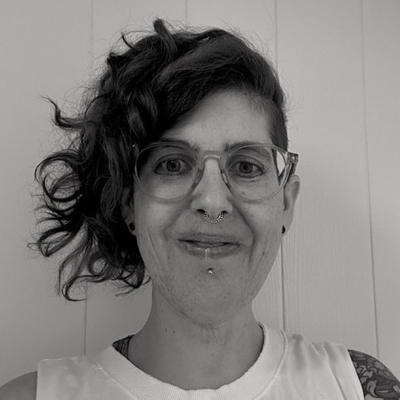
[ENG] The CMS Humans Need
Chief Product Officer, Convesio
More About SpeakerChief Product Officer, Convesio
Bio
Tammie Lister is Chief Product Officer at Convesio. She has a hybrid background across product, design, psychology and development. She contributes to WordPress and is passionate about Open Source, making products and drinking tea.
Talk Description
Most people who use a CMS do not want to use a CMS. They want the page right, the post out, whatever they came to do, done. They want content that converts, that earns its place, that turns into value. The system we built to help them get there is fixed: one shape, drawn once and shipped to everyone, and it is starting to show its age. It is not just content anymore. It has to function across the work the business actually does, including commerce, customer data, and the systems around them. The CMS the human actually needs is alive. It is shaped to the person, the action, and the place the work is happening. It travels with them, into chat, into email, into the tool they were already in. It brings only what the moment requires. What we need today is not screens. It is the right experience in the right format, and the right format might be voice. Agentic architecture is what makes that possible, and it asks something different of the system underneath: a content model an agent can reason about, and capabilities that know the difference between what is safe to do automatically and what needs a human to approve it. The human stays in the loop on the things that matter: brand voice, factual claims, and the decision to publish.

[ENG] Modern (and simple) methods of stealing money on the internet - how to protect yourself
CEO of Altumhost hosting company
More About SpeakerCEO of Altumhost hosting company
Bio
Wojciech Babicz is the CEO of the hosting company www.altumhost.com. Over the decades of building the hosting company, he has encountered numerous industry-specific situations involving technology, software, and… people. He has also been involved in personal data protection (GDPR), and in cybersecurity matters, including NIS2 and ISO certification. In addition to being a passionate internet enthusiast, he enjoys photography and organizing travels to many places around the world.
Talk Description
Sometimes we think that modern technology will keep us safe online. But sometimes the human factor can "break down" even the best security solutions. I'll show what to look for to prevent big money from being stolen, and at the same time, how to give your hosting server administrators peace of mind, so they don't need to explain the theft methods to the police again. And a strong password is only the beginning...
[ENG] UX content as a CMS stress test: Two ontologies, one missing layer
Content strategist and designer
More About SpeakerContent strategist and designer
Bio
Wojtek is a content designer and strategist with 25 years of experience building content systems for complex digital products — banking, healthcare, data analytics, and enterprise software. He works at the intersection of UX writing, design systems, and engineering workflows. In 2023, he published UX Writing: The Power of Language in Digital Products. Philologist and IT specialist by training.
Talk Description
UX content (microcopy) – field labels, validation messages, empty states – may look simple. It doesn't. When you try to manage it through a classic CMS, something breaks. Not because the tools are bad, but because they were built on a different model of what content is. Classic CMS architecture treats content as an autonomous object with metadata. Design systems treat content as a context-dependent element: its meaning, constraints, and validity are defined by its position in a component hierarchy. These are two different ontologies that no amount of configuration bridges that gap cleanly. This talk uses UX content as a stress test for CMS architecture. We'll examine: * where the model breaks, * why translation management systems have accidentally become the closest thing to a UX content layer, * what it costs teams to work around a structural mismatch – including encoding design hierarchy into key names just to know what a string is for. The takeaway is a model for the synchronization layer that doesn't yet exist as a product, but whose requirements we can now name precisely.
CMS Conf 2026 · November 12–14. Grab your ticket and be in the room with these speakers.
Buy a TicketBuy a TicketConference Pass
€150
excl. VAT
We use cookies to enhance your browsing experience, analyze site traffic, and personalize content. By clicking "Accept All", you consent to our use of cookies. You can manage your preferences or learn more in our Privacy Policy and Cookie Policy.